|
Listen to this article now
Getting your Trinity Audio player ready...
|
The Lopesan Costa Meloneras restaurant showed its gastronomic proposal at a dinner with Canarian products and wines from five areas of Gran Canaria
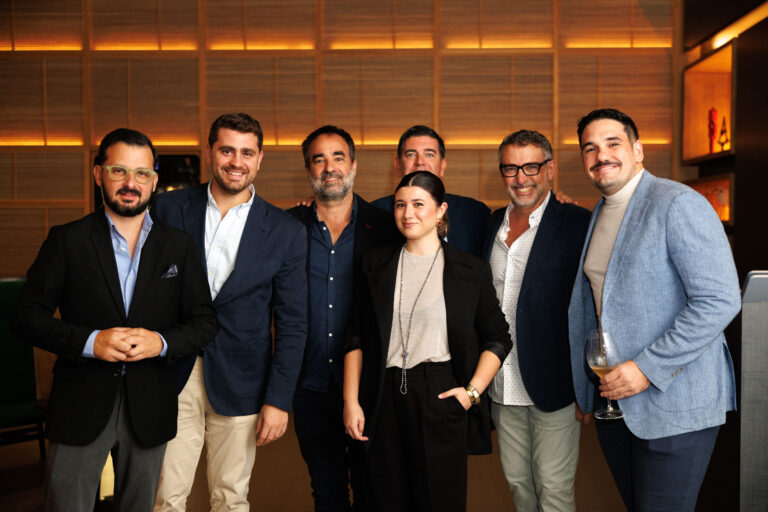
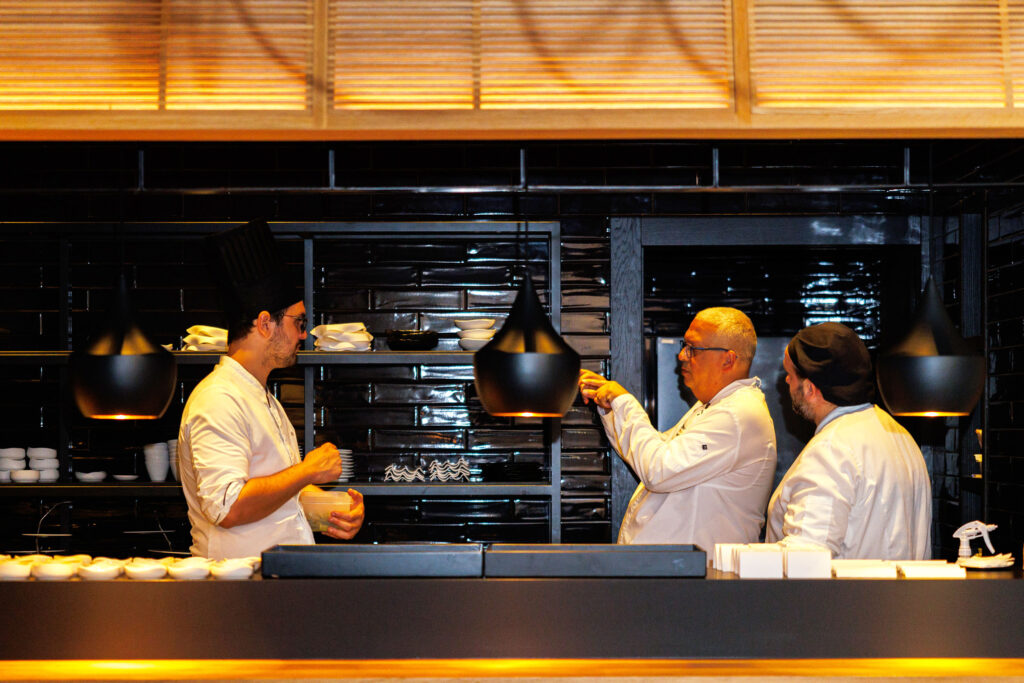
The sea, The countryside and culinary memory of Gran Canaria marked the presentation of the new Bevir menu, the restaurant he runs Germán Ortega at the Lopesan Costa Meloneras Resort & Spa. The evening, celebrated the past 17 of November, allowed us to learn about the proposal of the Gran Canarian chef through a succession of preparations that explored the possibilities of the island's pantry, from Atlantic fish to garden products and references to livestock tradition.
Ortega, with more than twenty-five years of experience in restoration, ha encontrado en Bevir un espacio para desarrollar una cocina que parte de ingredientes reconocibles y los somete a técnicas y combinaciones contemporáneas. El resultado se articula alrededor de tres menús, dusk, Ansite and Themisas, denominaciones que remiten a distintos paisajes de Gran Canaria y expresan esa vinculación con el territorio que el chef ha convertido en fundamento de su propuesta.
El encuentro permitió recorrer buena parte de ese universo gastronómico, con el producto como hilo conductor y una puesta en escena organizada en capítulos que fueron alternando sabores marinos, vegetales y cárnicos.
Del anzuelo a la trashumancia
El menú comenzó con Bevirage, una elaboración a partir de higuera e higo que introdujo el recorrido antes de los primeros bocados, grouped under the name of Hook. The mackerel with smoked sauce and dill and the amberjack with avocado opened a sequence in which the fish took center stage from the beginning.
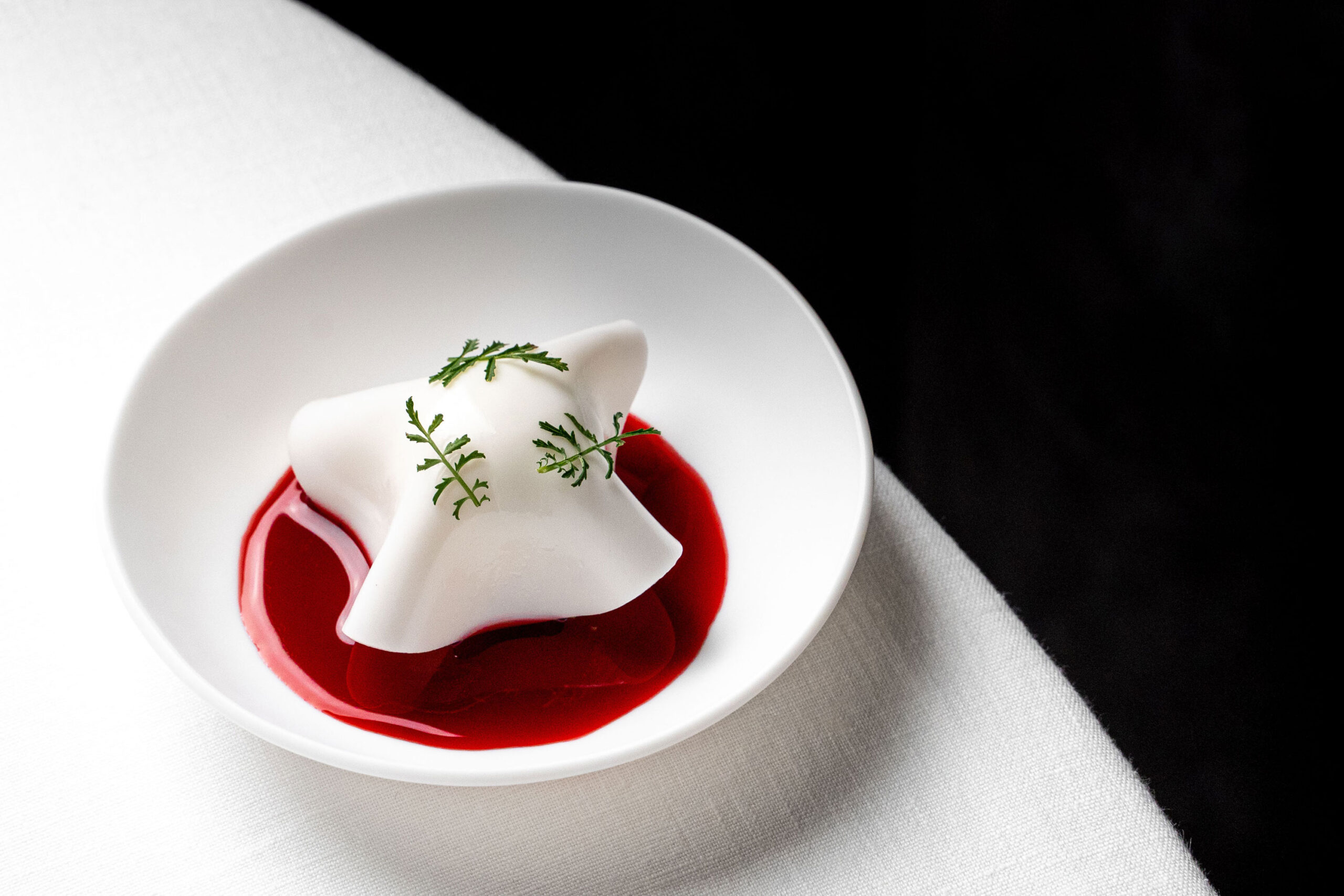
The chapter called Migration moved attention to the pastoral world, with proposals that incorporated blueberries and flower cheese, in addition to preparations identified as buñuelo, Palo loin and sheep.
Then it came marine pantry, one of the most unique sections of the proposal, with combinations that explored the possibilities of different species: horse mackerel and chorizo sausages, squid and blood sausage, and brunette, tuna and pistachio. A way to expand the culinary repertoire of fish beyond its usual preparations.
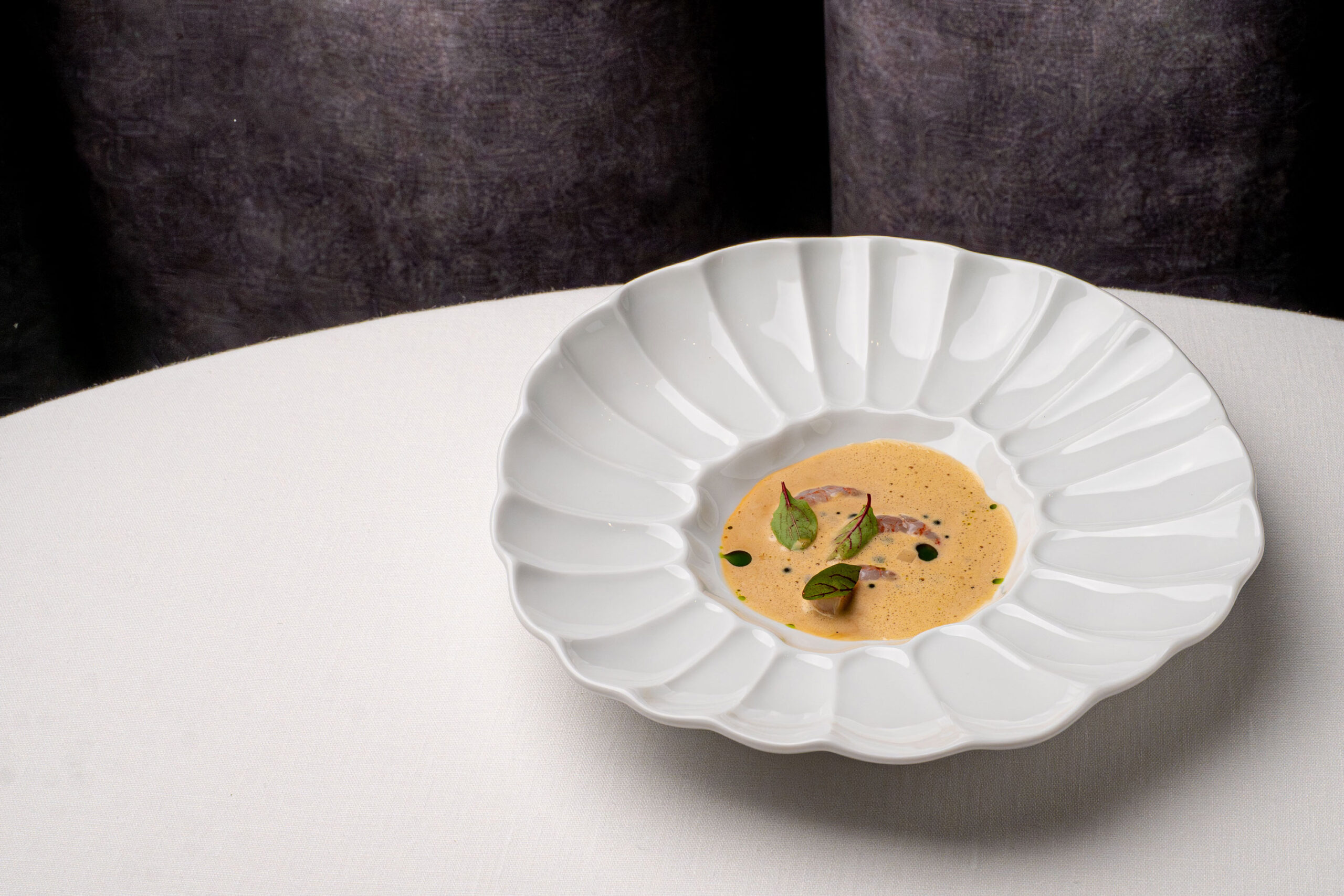
The tour continued with Enyesque, donde aparecieron la pera con huevas y clavo, el camarón con acedera y colinabo y una torrija salada con duxelle y mostaza. Esta última elaboración trasladó al terreno salado una preparación tradicionalmente asociada al capítulo dulce.
La sama, el atún y el cordero lechal
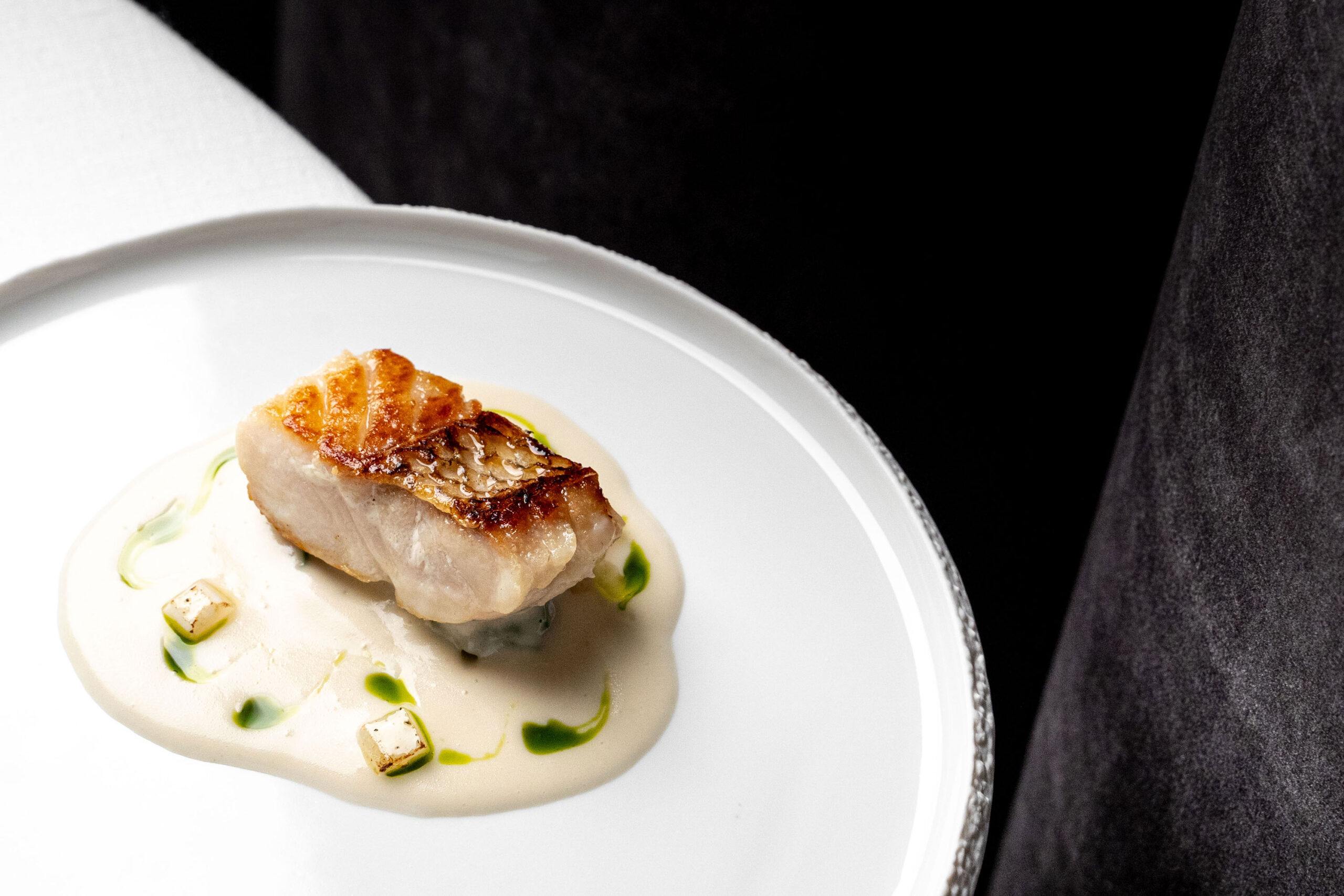
La parte central de la cena profundizó en las posibilidades del producto marino. Under the title Nuestro mar, Germán Ortega presentó un plato de tuna, caviar y caldo marino, seguido de una sama con koji y calamar, incorporando técnicas de fermentación a una de las especies más apreciadas de la cocina canaria.
La carne llegó con Tradition, una elaboración de cordero lechal, bimi and barley riso that recovered the reference to the livestock world present from the first countries.
The sweet chapter included a proposal called «Where is the ball?» and a dessert of sesame and yogurt, before closing the tasting with a tower of small sweets.
The succession of preparations allowed us to discover a cuisine that uses the territory as an argument, although without limiting itself to reproducing the traditional recipe book. Ortega combines family references with ingredients and procedures from other gastronomic cultures, looking for new expressions for products linked to Gran Canaria.
A winery that also talks about the island
The wine accompaniment was another of the highlighted sections of the presentation. The selection brought together preparations from different Gran Canaria municipalities., offering a complementary route to that of the dishes.
The dinner featured Tuscany Brut Nature, Valleseco cider, and four wines from the island: It diagnoses 2025, from The Village of San Nicolás; White Slimy Tameran 2024, of San Bartolomé de Tirajana; Vega de Gáldar 2024, from Gáldar; y Dulcelena 2020, from Tejeda.
The presence of these references allowed the agricultural diversity of Gran Canaria to be extended to the canopies., incorporating productions from territories with different climatic and landscape conditions.
In this section it is especially relevant Diego Tornel, room and sommelier manager at Bevir, distinguished as Best Sommelier in Spain 2026 in the National Championship held during the Madrid Gourmets Show. His work provides the project with an oenological dimension that accompanies the culinary evolution undertaken by Germán Ortega.
Gastronomy as a hotel argument
The presentation also had a reading related to hotel restoration. Lopesan wants Bevir, currently recommended by the Michelin Guide, contribute to developing an offer capable of attracting diners due to their interest in your cuisine, beyond those who stay in the Meloneras complex.
The restaurant, which already had a previous stage in Las Palmas de Gran Canaria, now finds in Germán Ortega a culinary identity built around island products, its memory and the possibilities offered by its contemporary interpretation.
The three menus, dusk, Ansite and Temisas—the latter of vegetarian orientation—, allow us to approach this proposal from different routes, always with Gran Canaria as the main source of inspiration.