


|
Listen to this article now
Getting your Trinity Audio player ready...
|
The work presented at the Casa del Vino traces the origin of the Satauteño vineyard, its volcanic landscape and the wineries that keep production alive
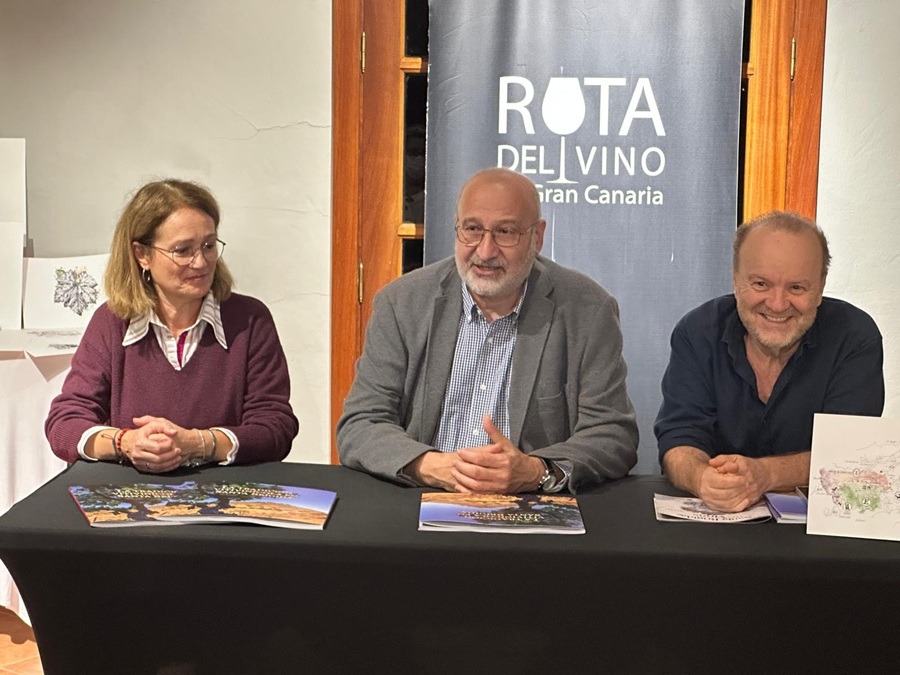
The story of Saint Brigida and her close relationship with wine has been collected in a new publication that covers several centuries of winemaking activity in this municipality of Gran Canaria. The book, titled The winemaking tradition in Santa Brígida, was presented last 9 November at the Casa del Vino and offers a look at the evolution of a crop that has contributed to shaping the economy, the culture and much of the landscape of the island's midlands.
Edited by the Santa Brígida City Council, through its Department of Rural Development, the work combines historical research, geographical and oenological with testimonies and cultural references. Its journey begins in the early days of vine cultivation in Monte Lentiscal and reaches the current reality of an agricultural activity that continues to be part of the local identity..
One of the aspects it addresses is the transformation of the territory through the vineyards, traditional winepresses and farms based on volcanic soils. It also recovers relevant episodes from that story, like the activity of the Flemish merchant Daniel Vandamme, linked to the wine development of the area during the 17th century, and the subsequent expansion of crops after the privatization of the public Monte in 1818.
Eight wineries and viticulture that looks to the future
The publication dedicates a section to the eight active wineries registered in the Gran Canaria Designation of Origin that collects in the municipality: Good of Height, Escudero, Lava, Guiniguada Corner, Saint John, problem, Ventura and Volcano.
Their preparations show the diversity of a viticulture that works with varieties such as negro on the list, black slimy, vijariego, malvasía, marmajuelo and criollo albillo, in a territory characterized by the Atlantic influence and soils of volcanic origin.
According to municipal data released this year, Saint Brigida concentrates the 23,5 % of the vineyard area of Gran Canaria, with around 50 cultivated hectares and 25 winegrowers registered in the designation of origin.
The work also pays attention to the generational change, to the growing role of women in the sector and the role of wine tourism as a complementary activity for wineries.
Wine as cultural heritage
Beyond the productions and the vineyards, The book explores the presence of wine in other manifestations of local culture, from traditional pottery to folklore and popular humor.
The journalist Michel Jorge Millares, present at the presentation, He described the landscape of Santa Brígida as “a palimpsest where volcanic nature and human hands have coexisted for centuries.”, a reflection on the successive transformations that these agricultural territories have experienced.
The publication includes photographs of Rada landmarks, schemes of Manuel Cardona and watercolors of Elejabeitia Molina Marina, that provide a visual dimension to the historical and wine tour.
The presentation was part of Saint Brigida with Wines 2026, the program of cultural and gastronomic activities that takes place during November and includes visits to wineries, tastings, professional meetings and proposals linked to the municipality's heritage.

