|
Listen to this article now
Getting your Trinity Audio player ready...
|
The César Lanzarote restaurant presents its new tasting menu at noon, a tour of the island's local product created by Gonzalo Calzadilla
On the slopes that overlook the Atlantic from The Asomada, in the municipality of Tías, Lanzarote, rises Cesar Lanzarote, a small boutique hotel with just twenty rooms where gastronomy occupies a central place in the guest and visitor experience. And, furthermore and especially, It is also designed for the enjoyment of the resident. The building, with clean and elegant lines, It discreetly integrates into the volcanic landscape of the island, surrounded by gardens and terraces from which the gaze is lost among lava cones, vineyards and the blue of the ocean. In this serene setting – where silence and light are part of the atmosphere – the restaurant proposes a cuisine that dialogues with the territory and with the culinary identity of Lanzarote..
The room, bright and open to the terrace from where you can see the meeting between blues - sky and sea- breathes a contained elegance, very rabbity, in line with the spirit of the establishment. Service moves efficiently, discretion and precision, allowing the diner's attention to focus on what is essential: the product. This is where the executive chef, Gonzalo Calzadilla, consolidates a culinary line that distances itself from the artifices imposed by any contemporary trend to recover something that, paradoxically, today it is almost revolutionary: the clarity of flavor and absolute respect for the raw material.
The main novelty is the incorporation of a tasting menu that will be served exclusively at noon, while at night the restaurant maintains a more open menu. The decision is not accidental: the proposal seeks a slow pace, in keeping with the environment and with the idea of turning food into a gastronomic journey that unfolds without rushing.
A walk through Lanzarote
The menu is presented under the title “A walk through Lanzarote”, a statement that precisely defines your narrative intent. Each dish acts as a stage of that culinary tour of the island, a kind of gastronomic cartography built from farmers, ranchers, fishermen and artisans who support the local food supply.
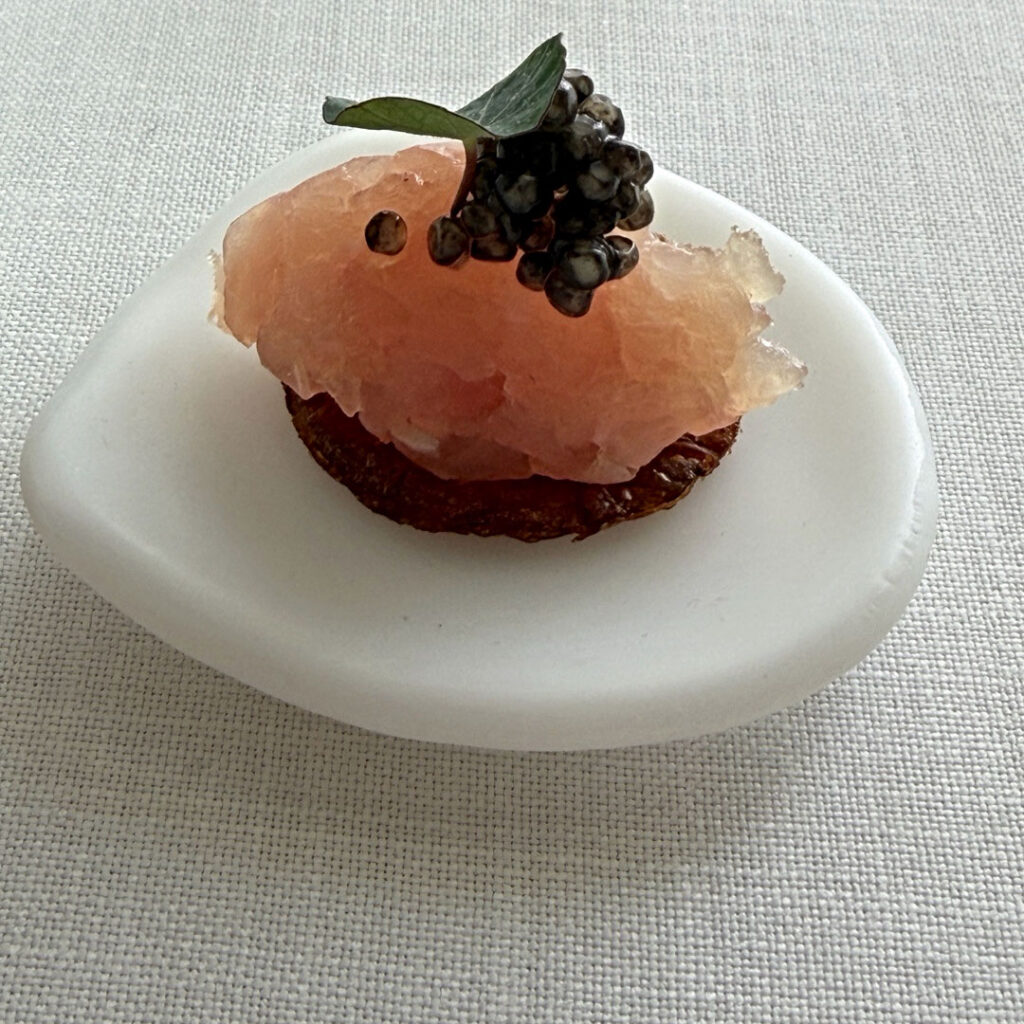
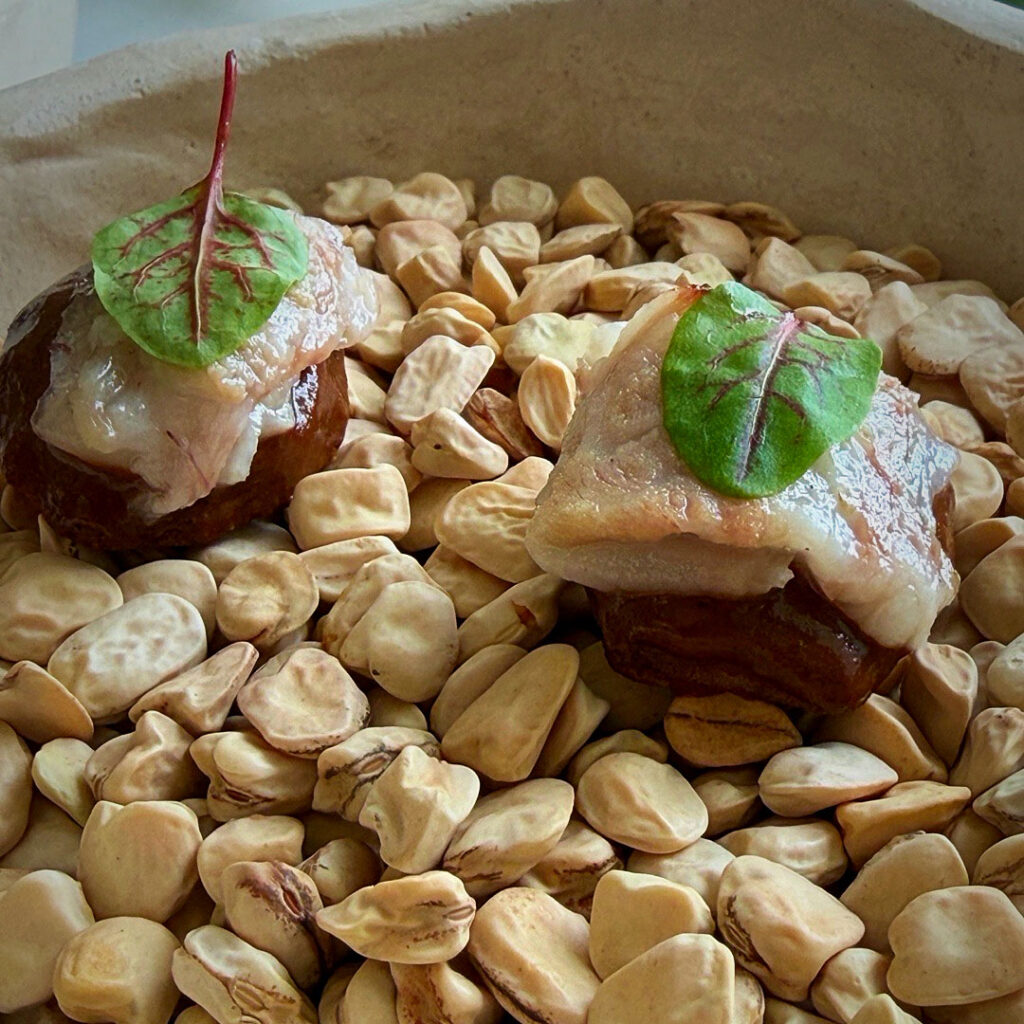
The itinerary opens with a gesture that reveals the philosophy of the house: discarded fish, made with species such as goat, girl and old woman captured, in some cases accidentally, on the coast of La Santa through artisanal fishing. Far from being a simple conceptual nod, The dish claims the use of the volcanic Atlantic and the seafaring culture that is part of the island's identity..
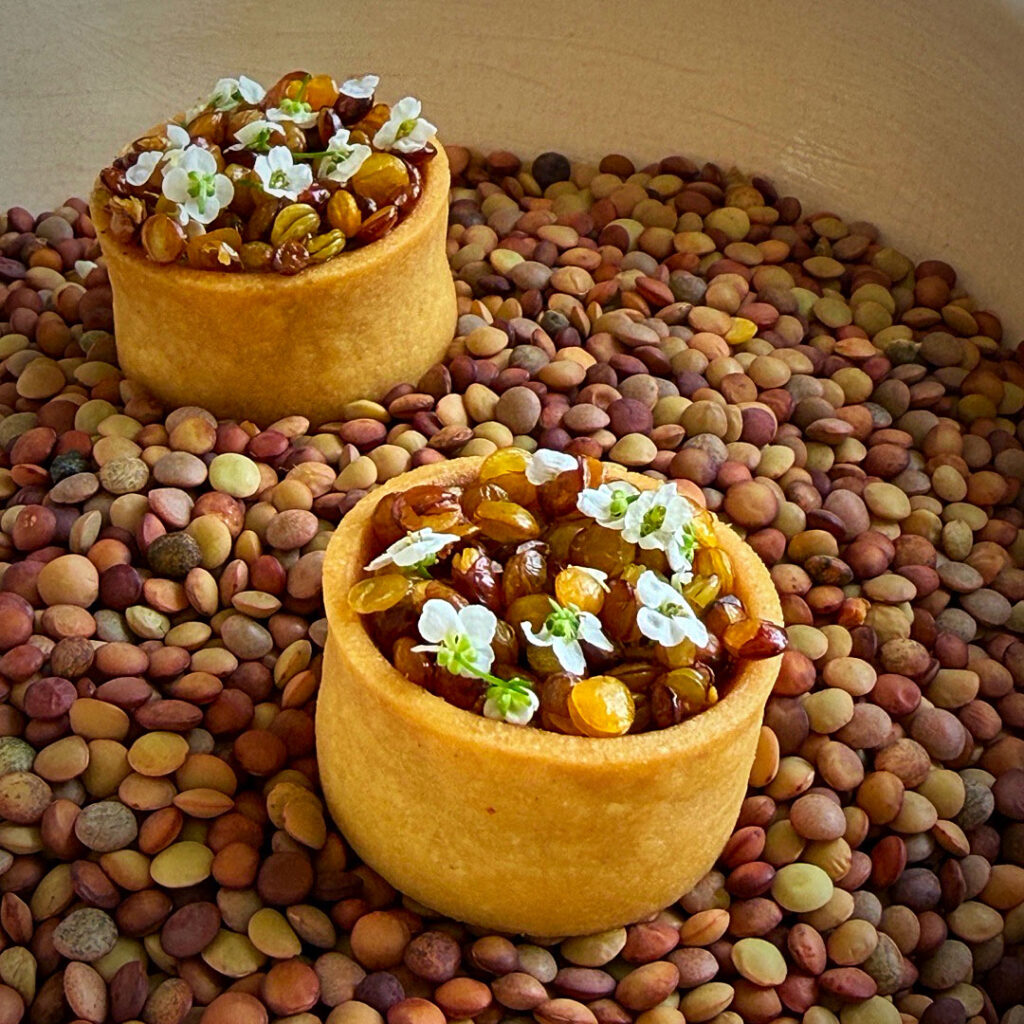
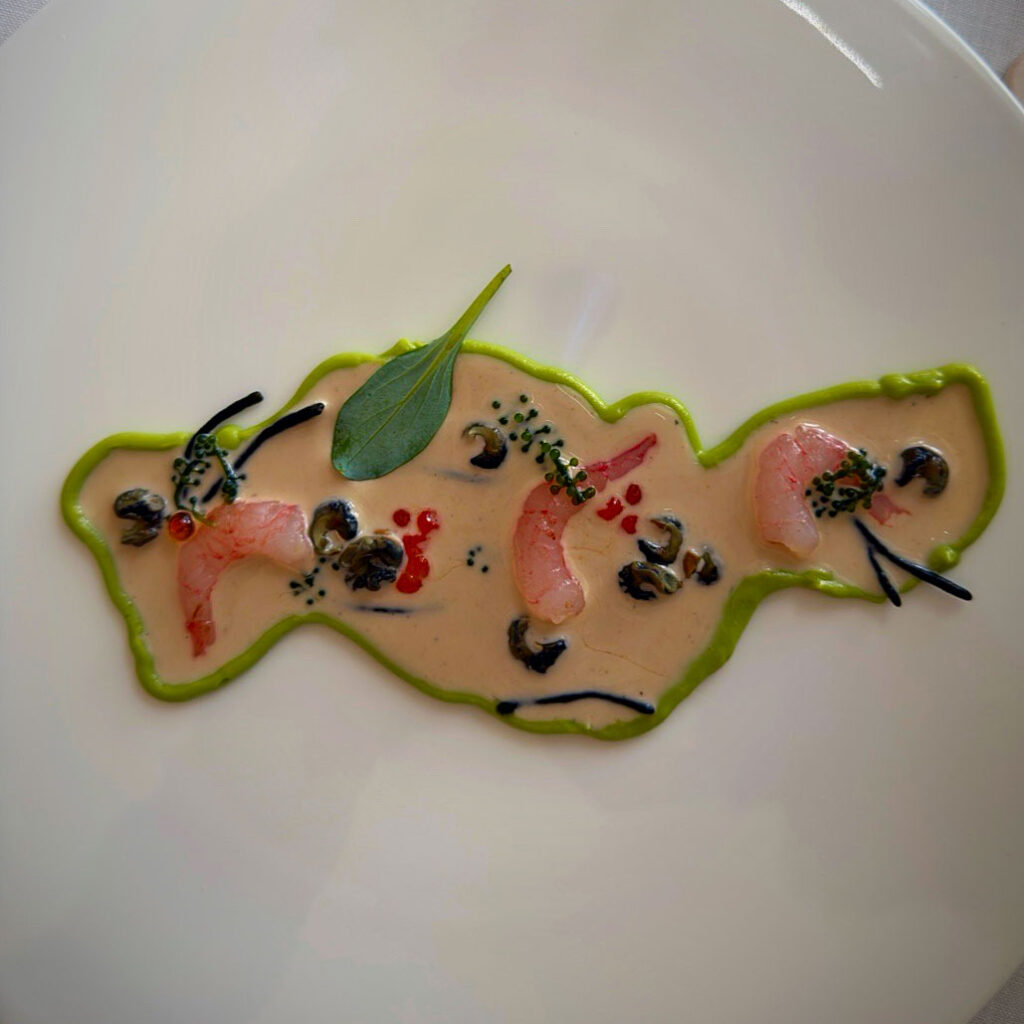
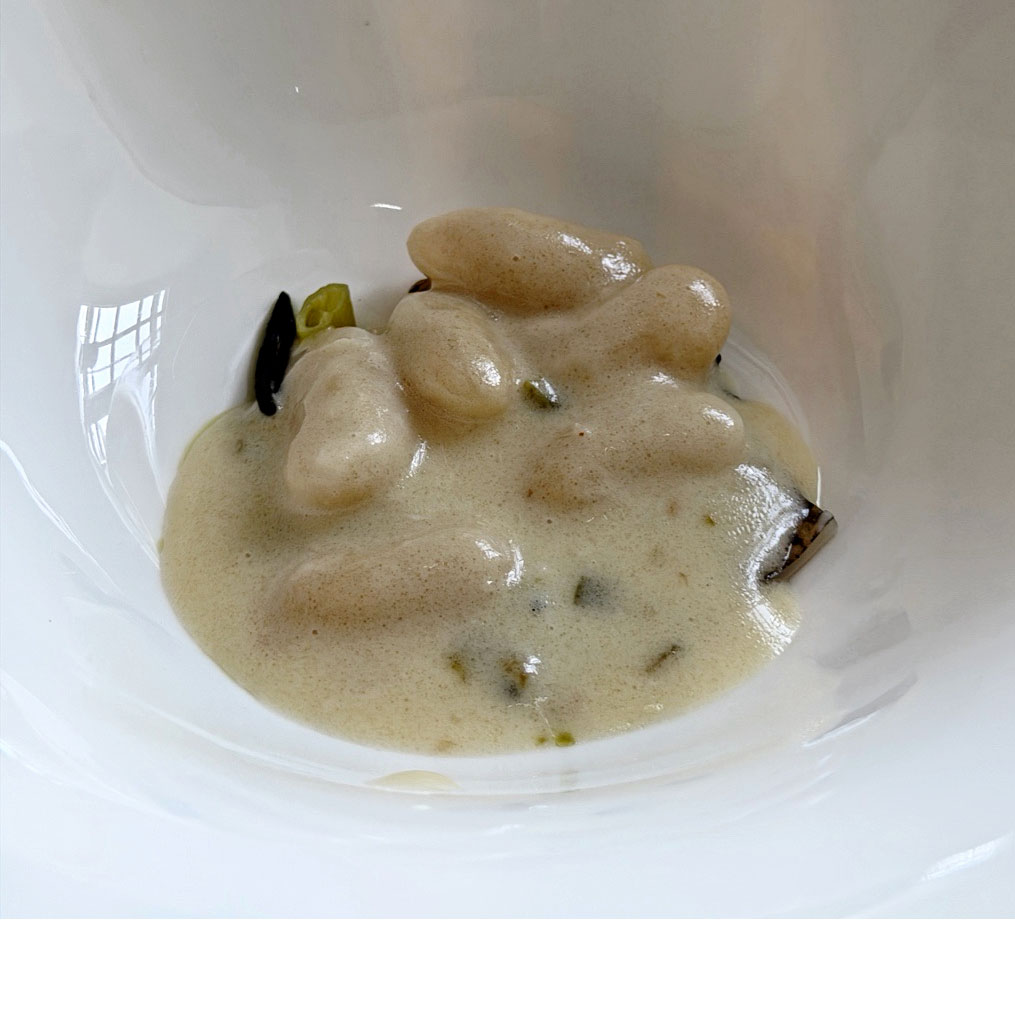
From there, the menu unfolds a deeply territorial story. Las Haría legumes —garbanzo, pea and lentil—evoke the agriculture of the fertile northern valley, where the humidity of the trade winds allows cultivation in an austere volcanic environment. Los mollusks from La Graciosa, hand-collected in clean, shallow waters, They provide a delicate marine counterpoint closely linked to the rhythm of the tides of the Chinijo archipelago..
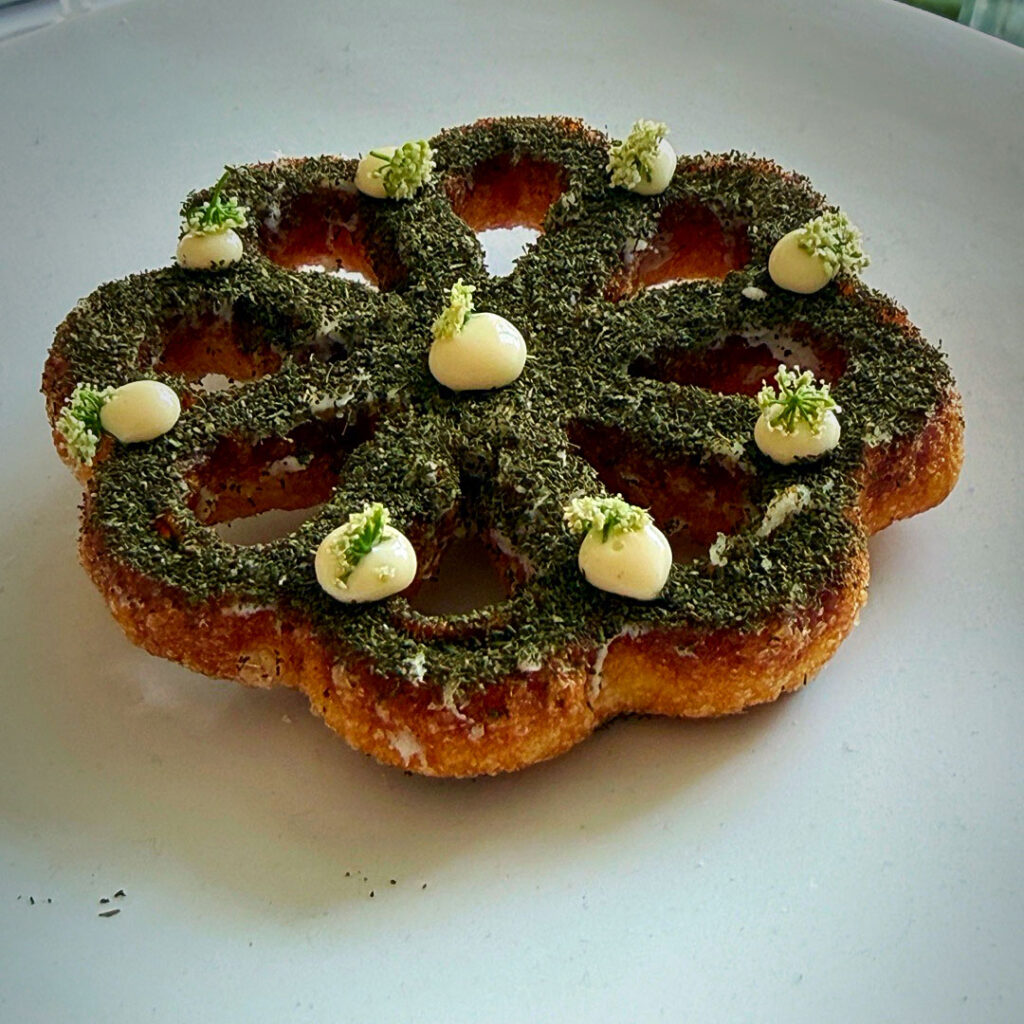
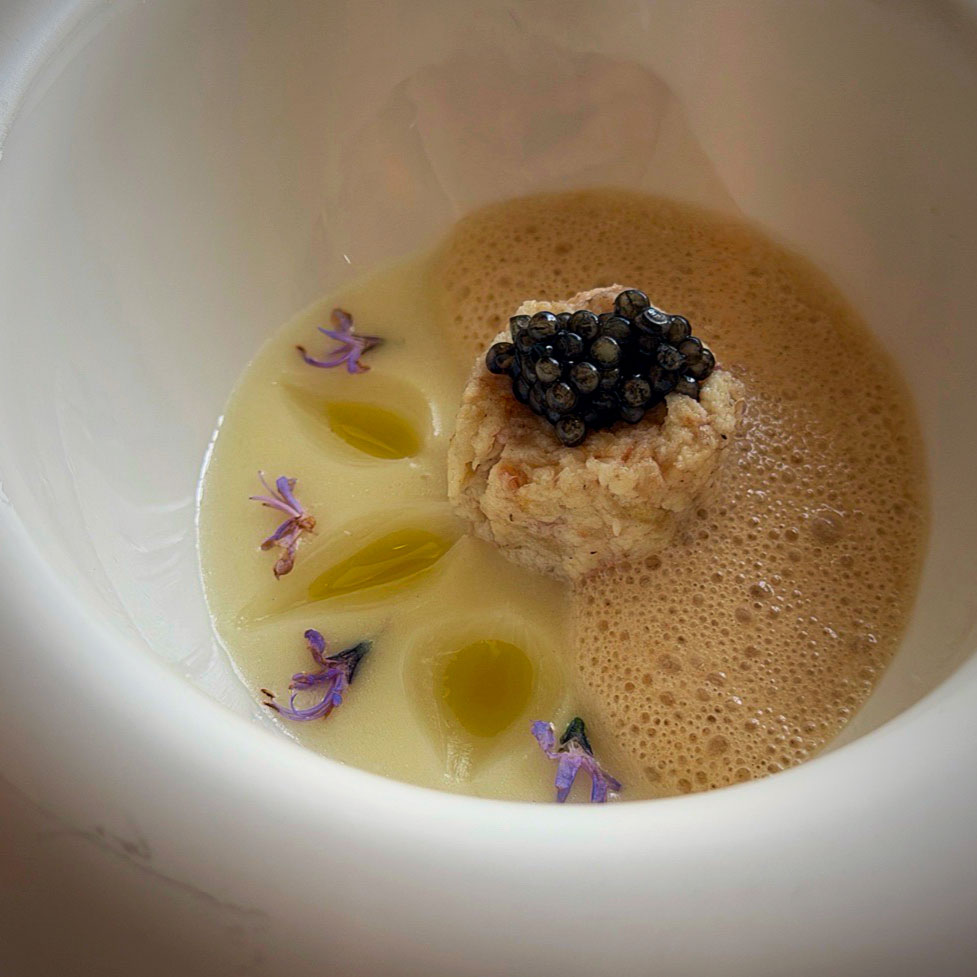
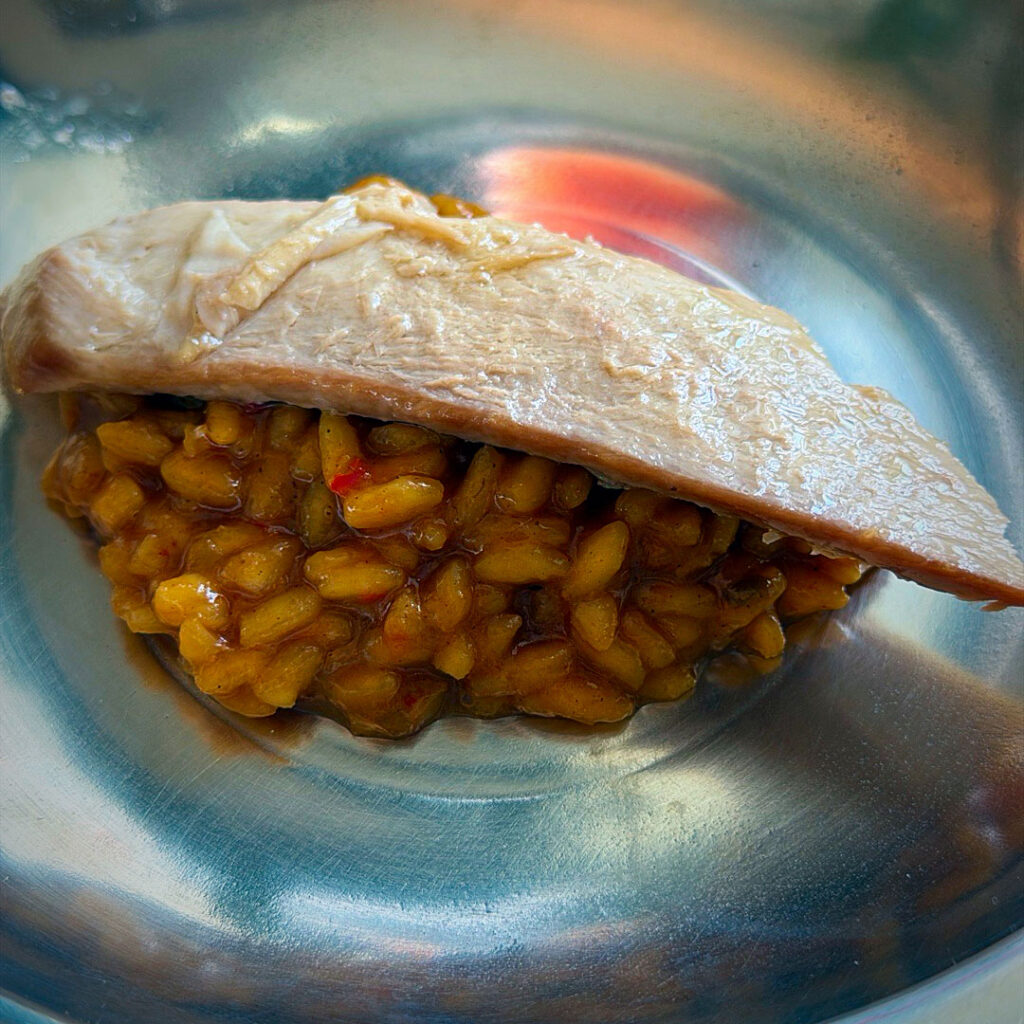
The dry garden is represented by the St. Bartholomew's white onion, grown on volcanic soils with traditional techniques and accompanied here by smoked sturgeon. Later, The menu looks towards the island's industrial memory with a tuna rice inspired by the canning tradition of Arrecife, a dish that speaks both about cuisine and economic and cultural history. And how Calzadilla I could teach a master's degree in rice, by the way.
The dignity of the humble product
One of the most interesting features of the menu is its willingness to rescue ingredients that for decades were relegated to domestic cuisine or the popular sphere.. It is the case of the fresh beans with brunette, a fish with a firm texture caught in the waters of Playa Blanca and traditionally considered of little value for haute cuisine. In the hands of Calzadilla, however, becomes a dish of great depth of taste.
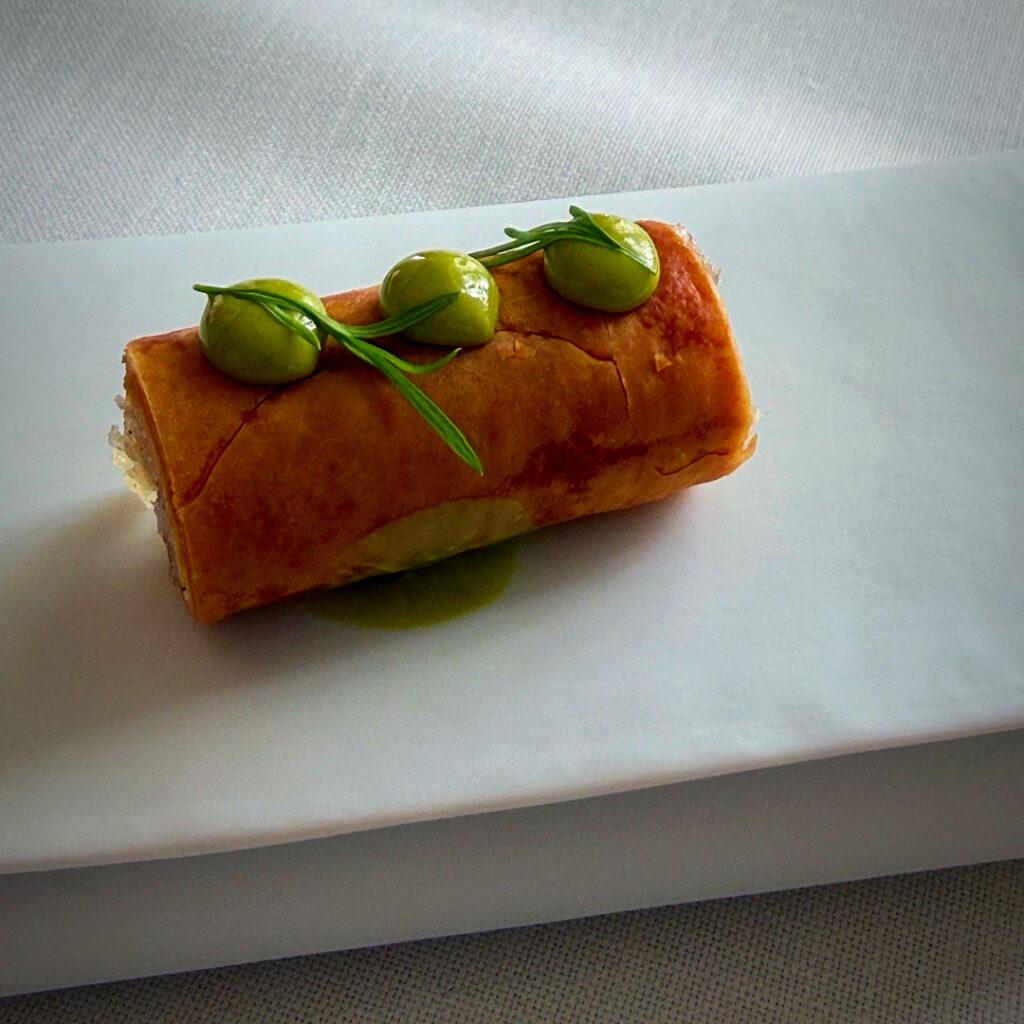
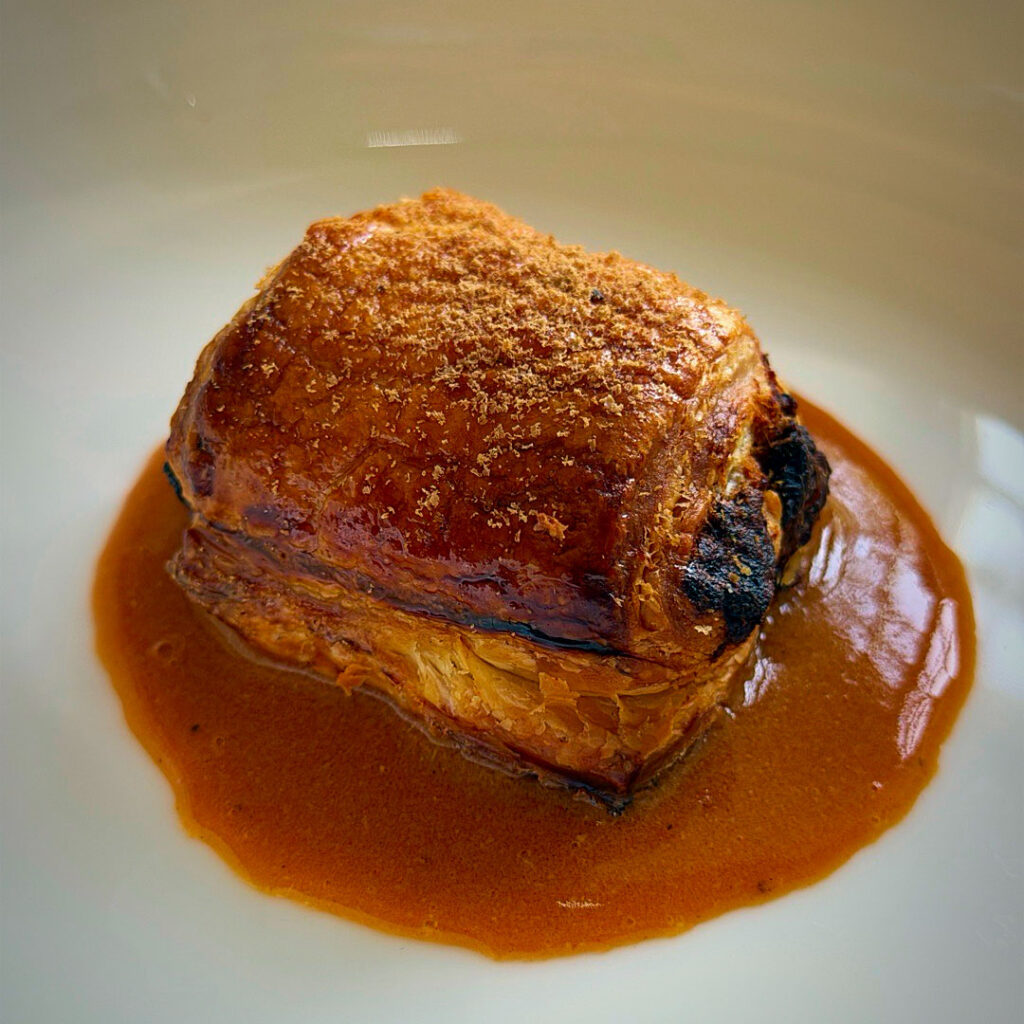
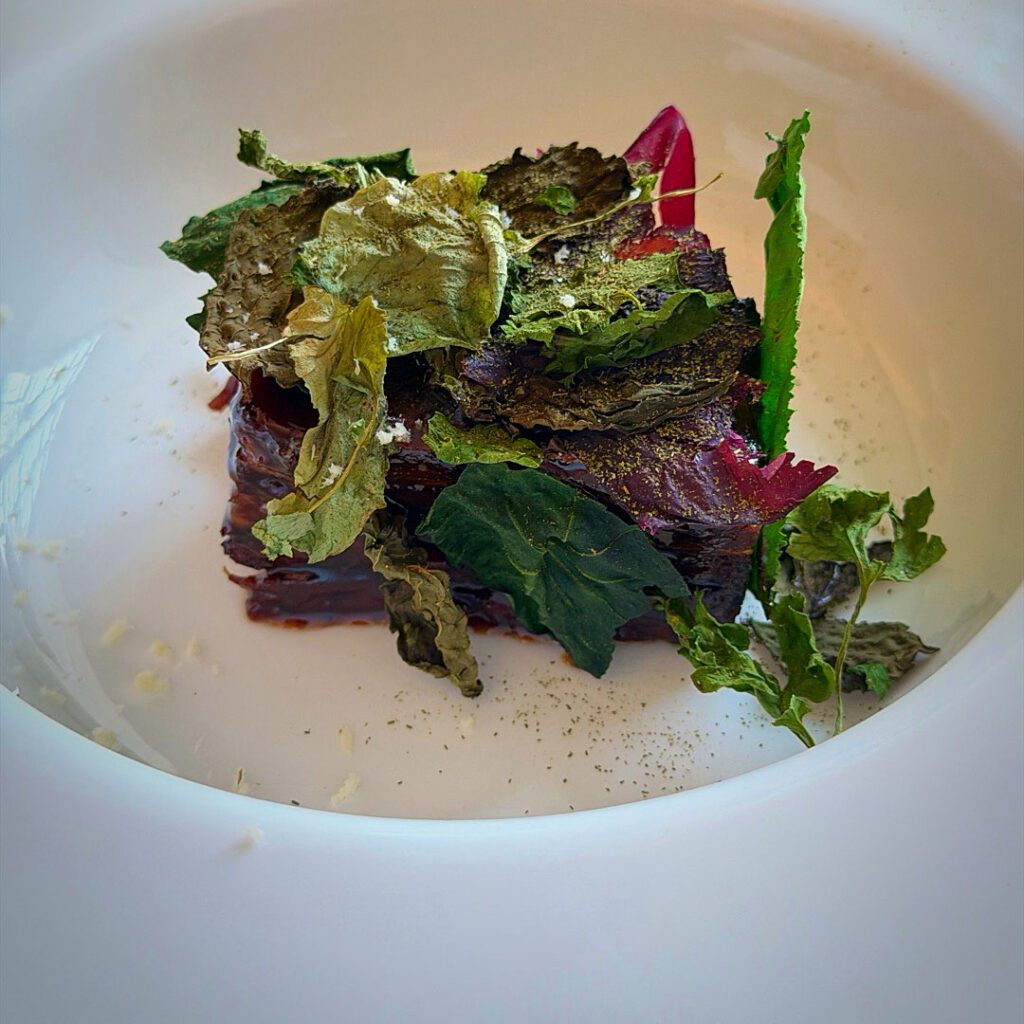
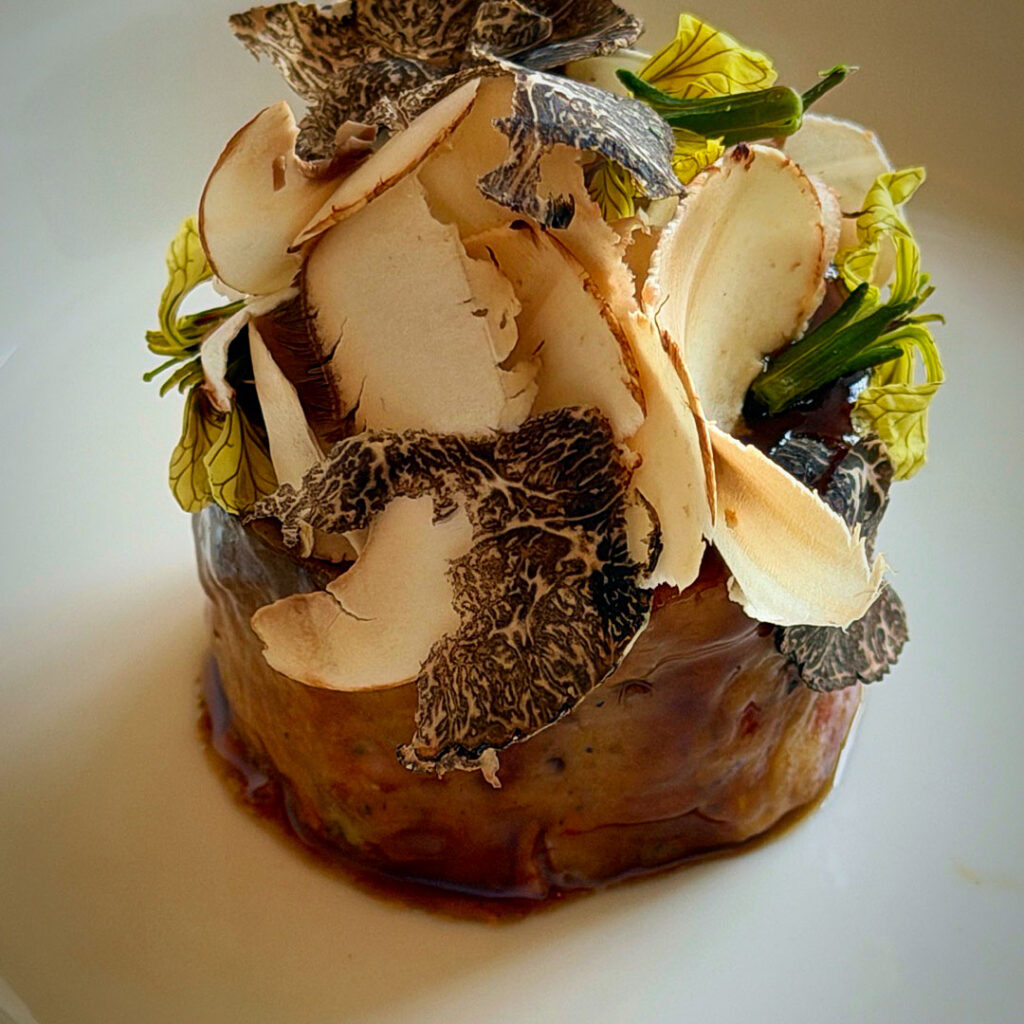
The narrative continues with direct references to the island's recipe book.. He rabbit pan with salmorejo, made with rabbit raised in Tinajo, refers to one of the most emblematic meats of Lanzarote cuisine. Next, two dishes of greater intensity arrive: the Majorero goat terrine with celeriac, reflection of the island's traditional livestock farming, and the suckling pig royal from Finca de Uga, from animals raised in freedom in the south of Lanzarote.
The landscape also becomes sweet
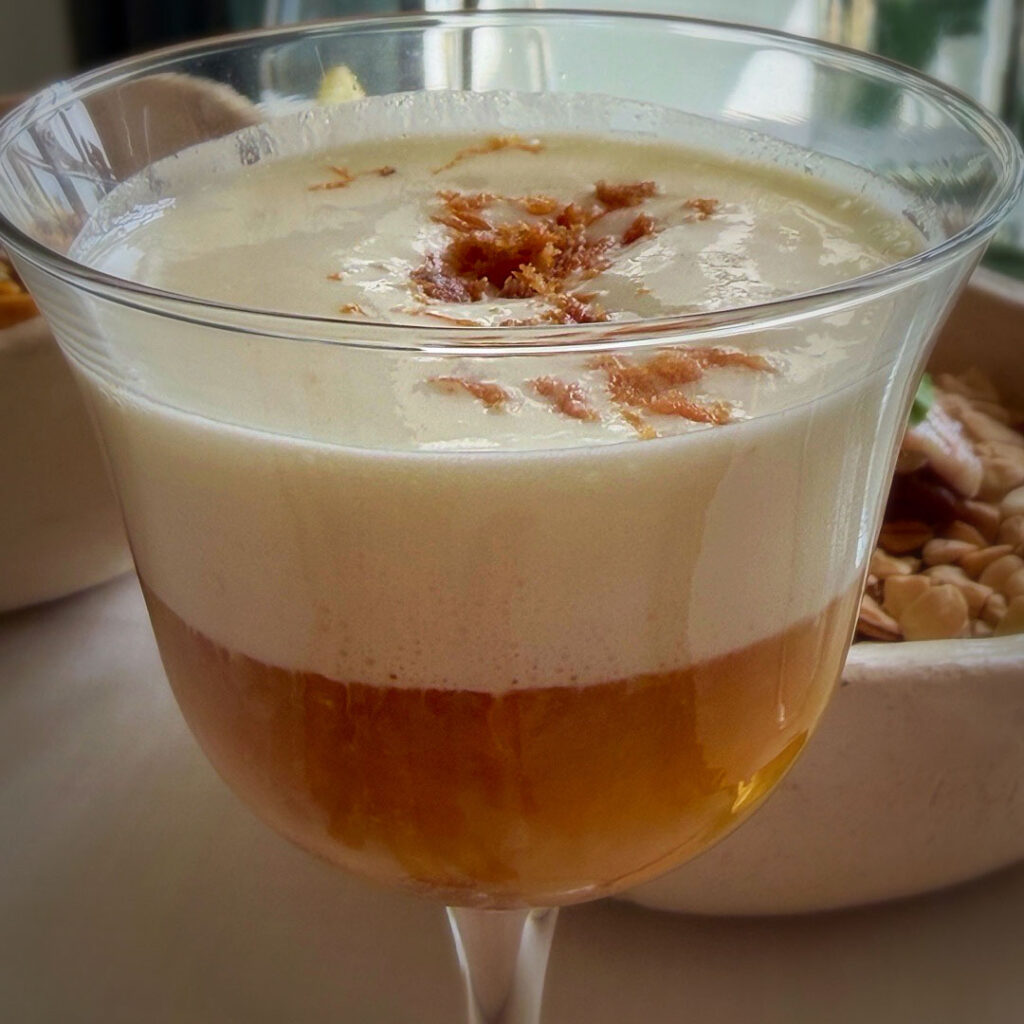
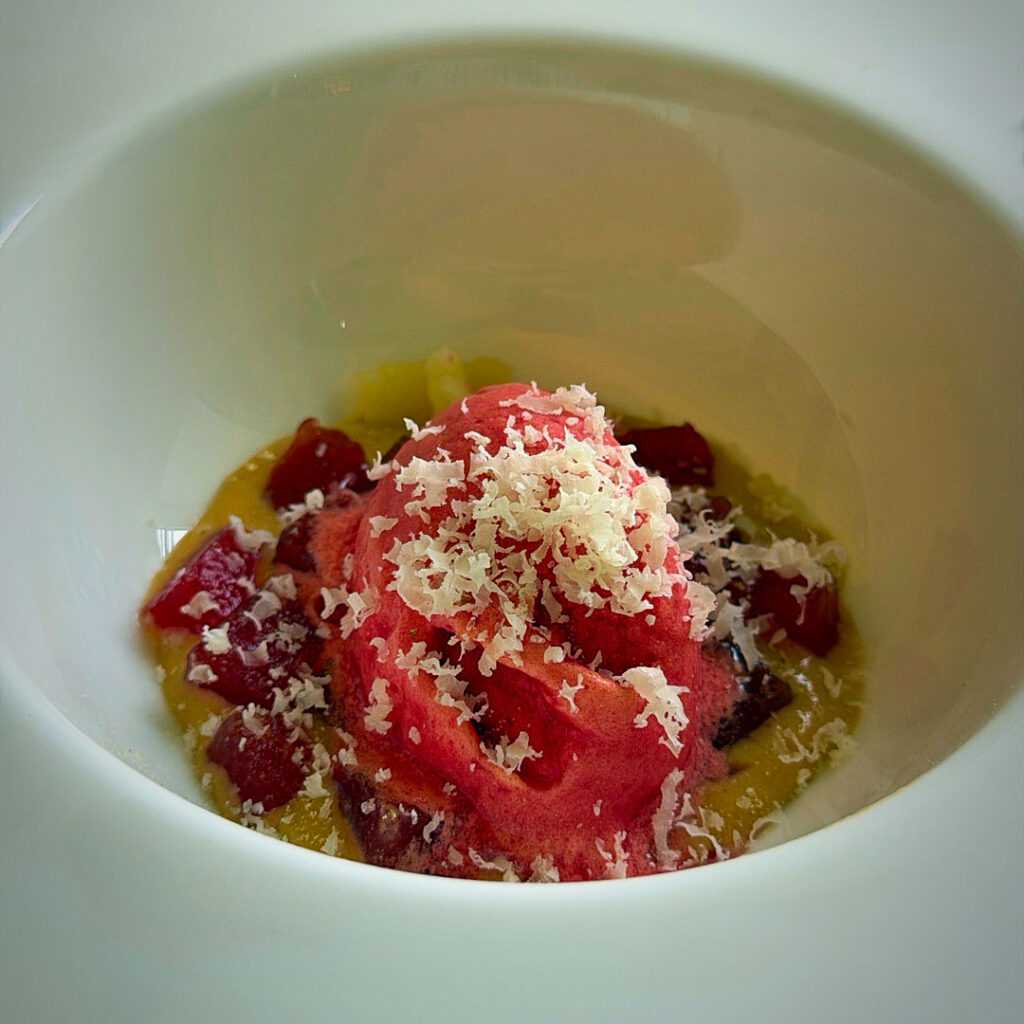
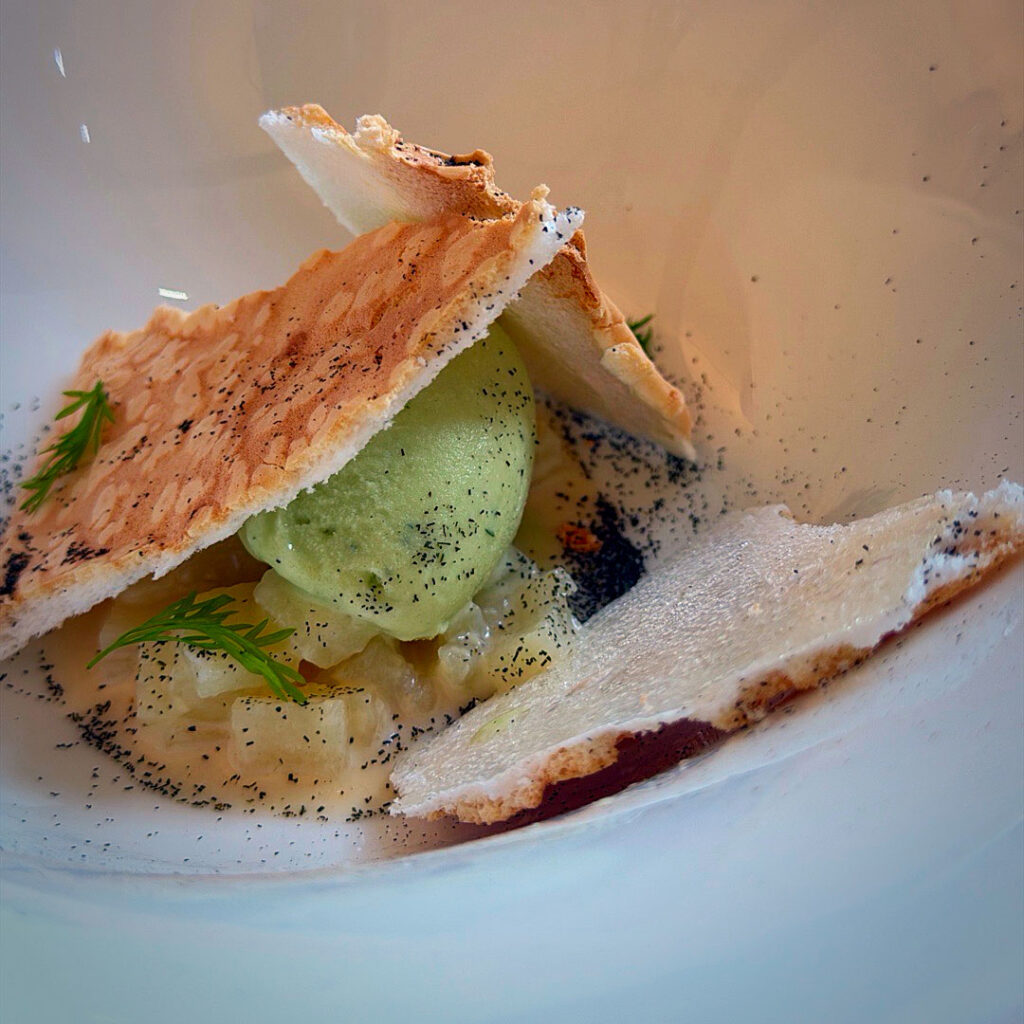
The final chapter maintains the territorial coherence of the menu. The Soo watermelon with gofio and cheese recovers flavors deeply rooted in the culinary memory of the island - and pays tribute to the book Traditional Cooking of Lanzarote, by Fefo Nieves, which we have already talked about here- while the Los Valles potato with goat's milk, fennel and meringue sorbet pays tribute to one of the most iconic products of the archipelago.
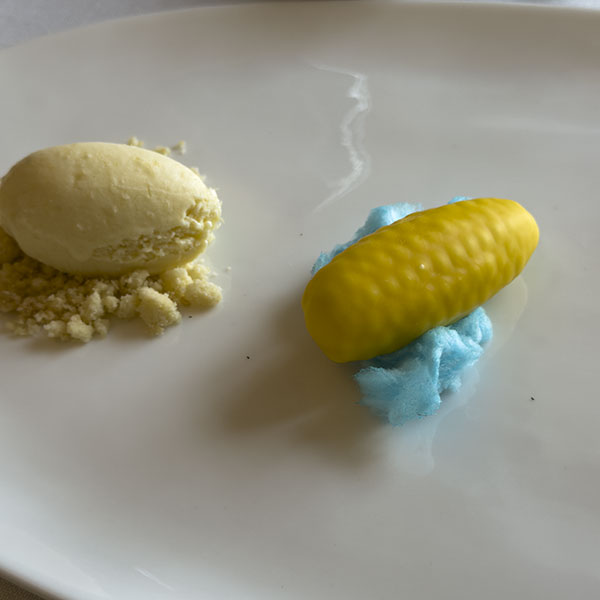
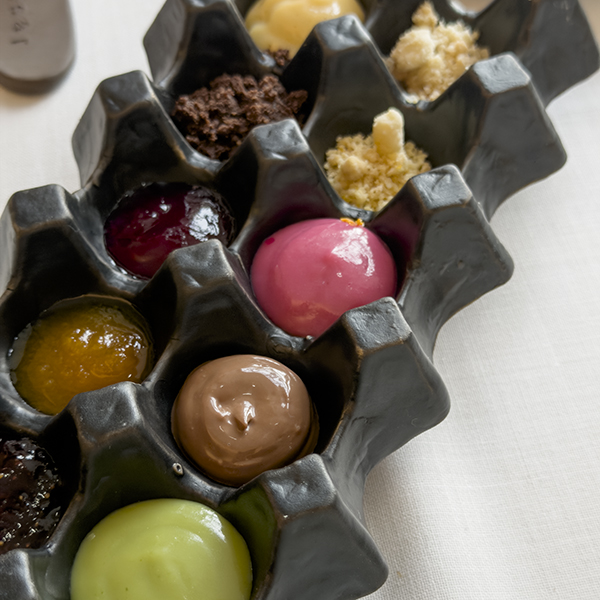
The closure adopts a playful tone with “Paintings by Manrique”, a participatory dessert inspired by the work of the Lanzarote artist, where the diner composes his own sweet interpretation from different chromatic and textural elements.
A profoundly Canarian pairing
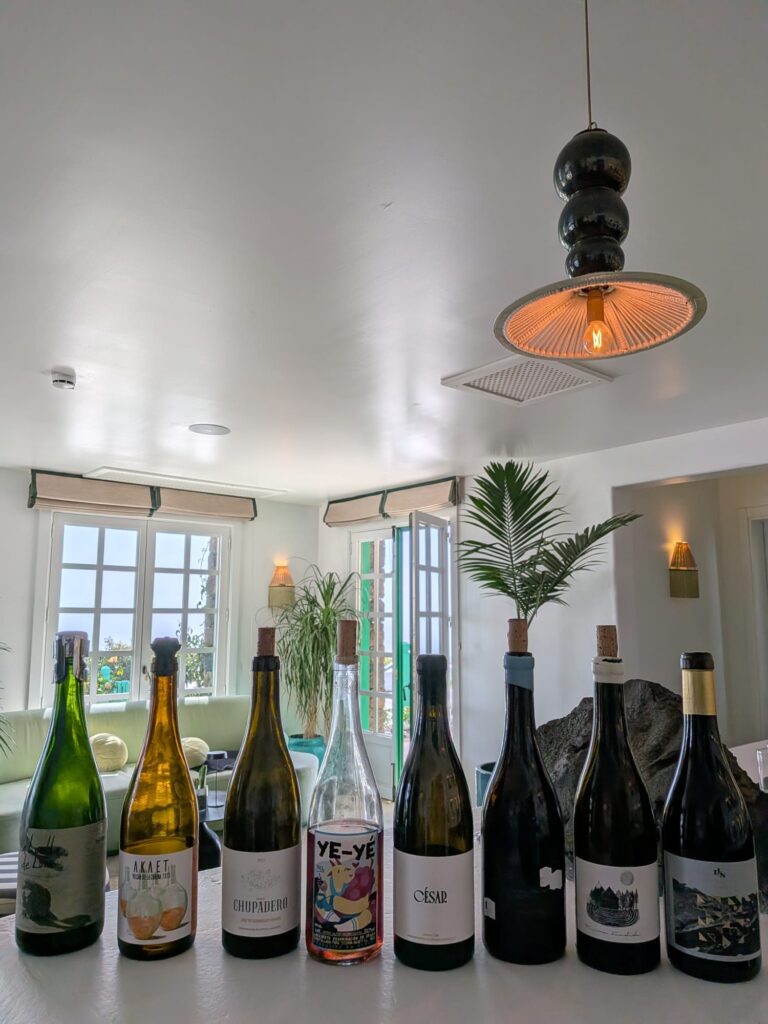
The territorial discourse is prolonged in the pairing, not completely closed yet, conceived as a tour of the archipelago's viticulture. The experience opens with local bubbles of Diego, from Olivine Winery, and continues with wines made with native varieties such as listán blanco and listán negro from projects such as Akaet or Jable de Tao.
Among the references stands out “César 2022”, the house wine, along with tags like Althay Plot Avelina, from centuries-old vineyards, o Molten Earth, Loreto Pancorbo's personal project in Tacoronte-Acentejo. The tour is completed with red wines from La Palma and concludes with an unexpected Malus Mama ice cider, that provides freshness and acidity at the end of the experience
The elegance of the essential
César Lanzarote's gastronomic proposal is part of an increasingly visible trend in contemporary haute cuisine: the vindication of the product and the territory as axes of the culinary discourse. Calzadilla is committed to a kitchen that reads clearly, where each ingredient retains its identity and each dish functions as a fragment of the island landscape.
The result is an experience that does not seek to dazzle through technical artifices., sino tell Lanzarote through its flavors, from the Atlantic to the volcanic fields of the interior, with the conviction that true sophistication lies, many times, in well-understood simplicity.
Tasting menu price, without pairing: 130€