


|
Listen to this article now
Getting your Trinity Audio player ready...
|
The Canary Islands adds seven new Repsol Soles and consolidates its gastronomic growth with a cuisine increasingly linked to the territory and local products
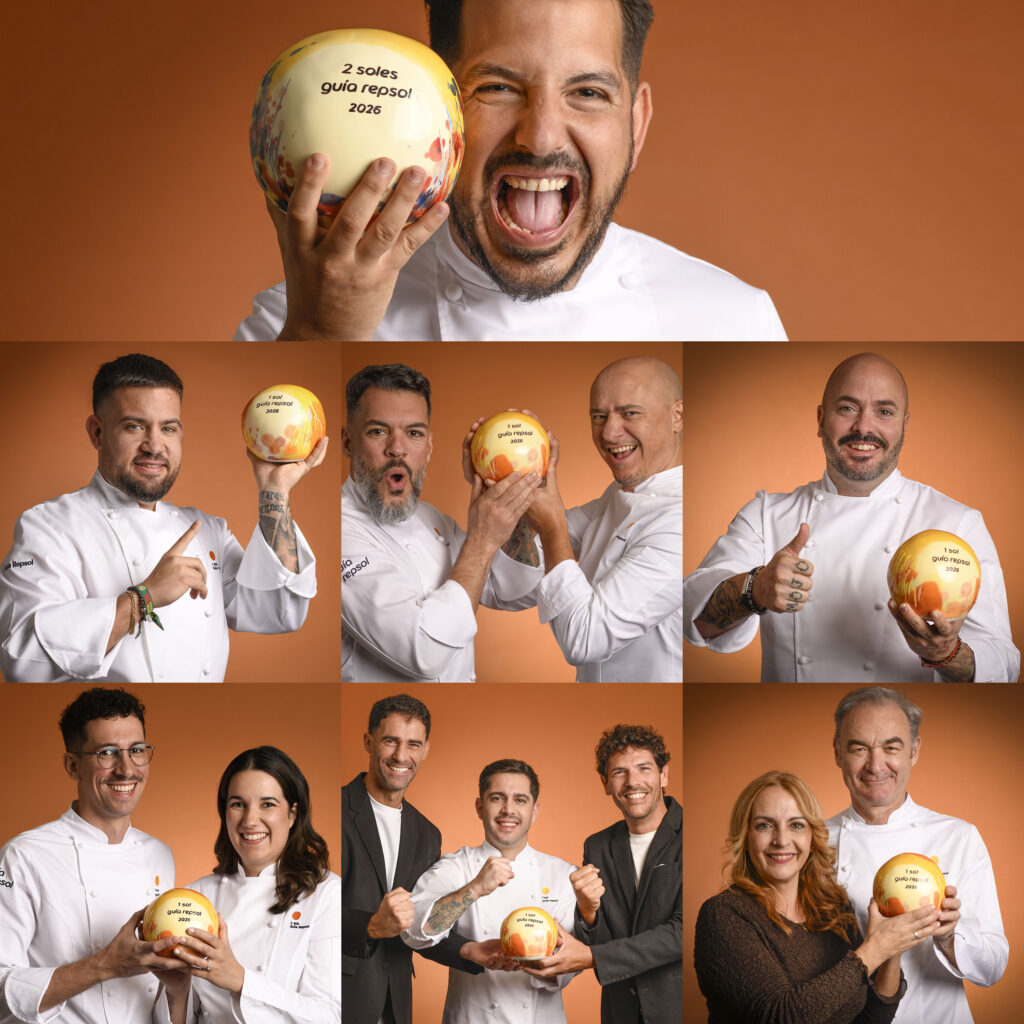
Canarian gastronomy is experiencing a time of affirmation. Far from fads, The cuisine of the islands is established in the Spanish gastronomic elite thanks to an increasingly solid combination of local products, identity and contemporary look. The edition 2026 of the Soles Repsol Guide, held in Tarragona, has reinforced that feeling: seven new recognitions raise to 46 Distinguished Canarian restaurants, a figure that confirms the sustained growth of the archipelago within the national culinary panorama.
The great protagonist of this edition is Coral, in Adeje, that reaches two Suns with a proposal that covers the diversity of the Canary territory from a mestizo and current perspective. Your kitchen, based on the dialogue between tradition and innovation, reflects a clear trend: Spanish haute cuisine looks back at the origin and narrative of the landscape.
next to him, six restaurants debut with a Sol and draw the map of the new Canarian cuisine. In Las Palmas they stand out Revés Bistro (Las Palmas de Gran Canaria) y Lily (Lanzarote); in Tenerife, Canarian Identity Crater, Barter, Haydée by Víctor Suárez y Moral They represent different ways of understanding the local product, from creative reinterpretation to the most direct cuisine linked to the season.
With these additions, Canary Islands addition 39 restaurants with a Sun, six with two Suns and one with three, consolidating a gastronomic ecosystem that transcends tourism to position itself as a culinary destination on its own merit.
The return to the territory as a trend
The Repsol Guide 2026 identify one profound change in the gastronomic scene spanish. International fusion loses prominence compared to a closer connection between regional cuisines, while formats that prioritize flexibility are growing, such as short menus and gastronomic bars where the diner participates in the culinary experience.
The movement responds to a new sensitivity: more dynamic proposals, less rigid cuisine and increasing attention to sustainability of the profession, with restaurants looking more balanced schedules y healthier work models.
A current photograph of Spanish cuisine
The edition 2026 addition 83 new Soles in Spain and Andorra —three restaurants with Tres Soles, eleven with two and 69 with one—, expanding the 808 the total number of establishments recognized by the guide. Beyond the list, the message is clear: Spanish gastronomy is experiencing a moment of creative diversity, where consolidated projects coexist with young chefs who reinterpret their territory from contemporary codes
Canary Islands, gastronomic destination in full maturity
The growth of the archipelago within the guide is not coincidental. The islands have managed to articulate their own culinary discourse that combines Atlantic products, memory and technique, attracting both the local diner and the gastronomic traveler. In a context where authenticity is once again a differential value, Canarian cuisine finds in these new Soles something more than recognition: a support for an identity that looks to the future without losing its roots.

